Award-Winning Remodeling Contractor: Transform Your Home With Professional Design and Quality Craftsmanship
Home renovation can significantly improve both visual appeal and functionality. A top-rated remodeling contractor plays a crucial role in this transformation. Their expertise integrates innovative design with quality craftsmanship, ensuring that each undertaking meets the property owner's goals. However, not all builders are created equal. Understanding the important characteristics and steps required is essential for a positive result. What should homeowners think about when starting on this journey?
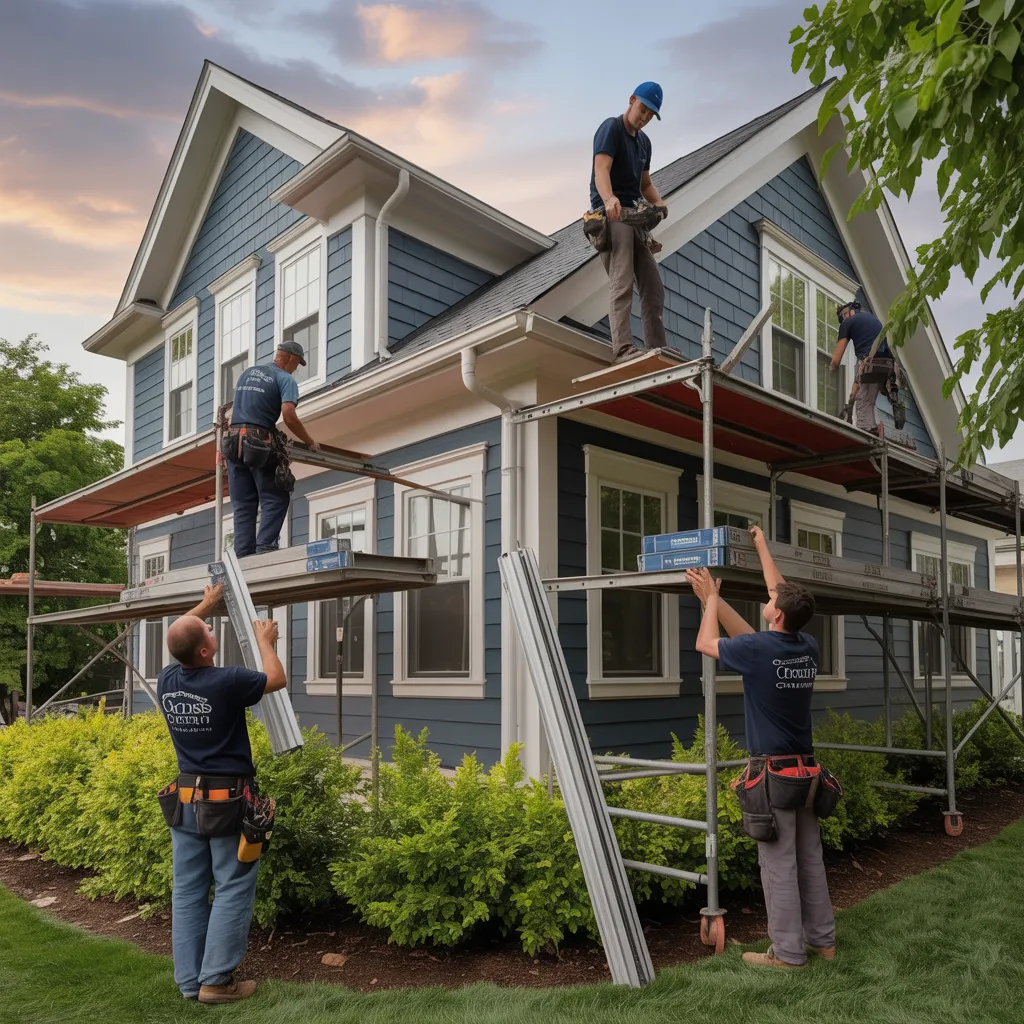
The Benefits of Choosing a Top-Rated Remodeling Contractor
When launching a restoration assignment, the determination to hire a top-rated contractor can greatly impact the success. A skilled contractor exhibits the competency and experience necessary to work through the intricacies of home renovations. They can provide valuable insights into design preferences, materials, and timelines, ensuring that the project aligns with the homeowner's expectations and cost parameters.
Well-reviewed service providers typically include positive reviews and an outstanding portfolio, presenting their previous work and client satisfaction. This track record can foster assurance in residents, alleviating anxiety tied to extensive home updates. In addition, a trusted professional tends to have solid partnerships with material providers and specialized contractors, which can provide more competitive rates and excellent material choices.
Ultimately, selecting a top-rated renovation specialist not only increases the potential for a successful project but also cultivates a cooperative setting where ideas and creativity flourish, resulting in a transformed home that showcases the homeowner's objectives.
Key Qualities to Search for in a Home Renovation Contractor
Picking the ideal renovation specialist surpasses merely examining testimonials and past work; it entails identifying key characteristics that ensure a positive working relationship. To start, a reputable contractor should demonstrate strong communication skills, ensuring that they can express concepts effectively and understand client needs. Next, experience in the particular renovation work required is essential, as it demonstrates a established history of excellent craftsmanship. Additionally, a good contractor should be properly certified and covered, providing assurance regarding liability and safety. Dependability is yet another essential characteristic; a contractor should adhere to schedules and costs, minimizing unforeseen setbacks. Finally, a solid portfolio showcasing diverse completed projects reflects an ability to adapt to various styles and client desires. By concentrating on these attributes, homeowners can make informed decisions when selecting a renovation specialist, ultimately leading to a successful home transformation.
Sought-After Remodeling Selections to Assess
Homeowners often grapple with an vast array of choices when deliberating on remodeling projects, each offering unique benefits and enhancements. Kitchen renovations stand among the most popular projects, which can markedly boost utility and design appeal. Revamping countertops, cabinets, and appliances not only modernizes the space but also adds monetary value to the home.
Bathroom remodels are another favored option, offering a sanctuary for unwinding and self-care. Homeowners frequently choose updated fittings, sophisticated tile work, and enhanced designs to enhance comfort.
Moreover, basement remodeling has grown in popularity as a strategy for increasing usable area, producing adaptable areas for leisure activities or work from home setups.
Outdoor renovations, such as deck installations or landscaping, also stay in demand, allowing residents to optimize their outdoor enjoyment. Each of these initiatives not only reshapes the living area but can also yield a substantial return on investment.
The Creative Process: Collaboration With Your Builder
The design process in remodeling involves a crucial cooperative effort between the client and the construction firm. During the initial consultation meeting, suggestions and objectives are put forward, laying the foundation for the work. After this, design iterations transpire, enabling changes and conclusively moving toward consent before the build phase starts.
Initial Consultation Session
How does an initial consultation meeting establish the foundation for a successful remodel? This crucial initial phase enables homeowners and contractors to establish a shared comprehension of the vision and objectives of the project. During this session, clients present their ideas, needs, and budget, while contractors assess the space and offer guidance on feasibility. Effective communication is essential, as it builds trust and collaboration between both parties. Contractors may also display collections of previous work, offering ideas and demonstrating their skill. By addressing any concerns and discussing schedules, the first meeting lays the groundwork for a productive relationship. Ultimately, this session is essential for matching goals and ensuring that the renovation starts on a strong footing.
Design Advancement and Endorsement
During the design process, coordination between homeowners and contractors becomes crucial for refining the project vision. This phase focuses on transparent exchange, allowing both parties to convey ideas, preferences, and concerns. Contractors introduce initial design concepts based on the homeowner's input, which leads to iterative revisions. Each design iteration serves as a stage toward the final layout, integrating feedback and making necessary adjustments. Homeowners should feel empowered to express their thoughts, ensuring the design corresponds with their aspirations. Approval of the final design represents a important milestone, solidifying the project blueprint. This collaborative approach fosters a sense of ownership and satisfaction, paving the way for successful implementation and ultimately converting the home into a personalized living space.
Comprehending the Expenses of Home Remodeling
Knowing the financial obligations tied to home remodeling is vital for any homeowner planning a project. Financial management effectively requires not only including the main expenses but also identifying hidden costs that may appear during the renovation process. Knowledge of these financial factors can help guarantee a more streamlined and more productive renovation experience.
Setting up a spending plan for Your project
Budgeting for a home remodeling project demands thorough evaluation of multiple costs at stake. Homeowners should start by determining the extent of the project, which will significantly impact the total budget. Key expenses typically encompass materials, labor, permits, and design fees. It is important to research and obtain quotes from multiple contractors to create a practical estimate. Additionally, homeowners should consider whether they will undertake any of the work try this themselves, which can lower labor costs. Establishing a contingency fund is also wise, as it enables for unexpected expenses that may occur during the remodeling process. By carefully assessing these factors, homeowners can create a comprehensive budget that aligns with their financial capabilities and project goals.
Concealed Fees to Keep in Mind
While homeowners often focus on the significant costs of a remodeling project, they may miss several hidden costs that can substantially affect the total expenditure. These expenses can encompass licenses and evaluations, which vary by area and renovation scope. Unexpected building problems, such as mold or outdated wiring, may also occur throughout remodeling work, necessitating extra money. Property owners should also account for the costs of temporary housing if the project demands extensive work. In addition, alterations to plans during the process can lead to higher costs, as can the choice of premium finishes. Finally, post-remodeling costs, such as fresh furniture or landscaping, can further burden the budget. Understanding of these concealed costs is essential for sound budget management.
Strategies for a Successful Home Renovation Experience
A prosperous home renovation process rests on careful planning and clear communication. Homeowners should start by setting a reasonable budget and timeline, considering potential delays and unexpected costs. Selecting a reputable remodeling contractor is crucial; they bring knowledge and can offer insights that save time and money.
Householders should also create a thorough design plan, featuring materials and finishes, to ensure a cohesive vision. Regular consultations with the contractor support alignment on progress and address any concerns in a timely manner. Communication should stay transparent and engaged, fostering a cooperative working environment.
Furthermore, it's advisable to prepare for disruptions by establishing a interim living space, especially for bigger projects. In the end, persistence is crucial; renovations can be stressful, but a constructive mindset will contribute to a smoother process and satisfaction with the final outcome. By following these tips, homeowners can improve their renovation experience and achieve their desired results.
Regularly Submitted FAQs
What Length of Time Does a Common Remodeling Project Typically Take to Finish?
A typical remodeling project can take between a few weeks and several months to finish. Elements influencing the timeframe include project size, complexity, and the efficiency of the contractor and trades involved.
What Categories of Protection Do Home Remodeling Contractors Give?
Remodeling contractors typically provide warranties on labor, materials, and appliances. These warranties can range from one year to a lifetime, based on the contractor and specific project details, giving peace of mind to homeowners regarding quality and durability.
What Steps Should I Take to Check a Contractor's Credentials and Insurance?
To confirm a contractor's credentials and coverage, one can check state regulatory agencies and online databases. Additionally, obtaining copies of insurance documents directly from the contractor ensures coverage is current and fulfills required standards.
What could I Do if I'm Dissatisfied With the Work?
When frustration sets in, the homeowner ought to raise concerns directly with the contractor. Record issues, review the agreement, and strive for peaceful settlement. If not resolved, pursue mediation or reaching local authorities for extra help.
What Financing Options Are Available for Home Remodeling Projects?
Many construction specialists present assorted credit solutions, consisting of personal credit arrangements, home equity lines of credit, and monthly payment options. Homeowners must consider these options to identify a solution that works with their spending limits and construction requirements productively.